The Truth About the In Ear Earbuds: Pros, Cons, and Verdict
In ear earbuds are among the most ubiquitous personal audio devices today. They range from simple wired buds bundled with smartphones to sophisticated true wireless models with active noise cancellation and multi-hour battery life. For many buyers, in ear earbuds promise portability, convenience, and surprisingly good sound for the money — but they are not universally the right choice. This article examines the category in depth: how in ear earbuds perform across real-world use cases, what buyers care about, the trade-offs involved, and a practical verdict to help shoppers make a confident decision.
Introduction: Why In Ear Earbuds Matter
Audio habits have shifted toward mobile, on-demand listening. When commuting, exercising, or taking calls on the go, in ear earbuds are a favored form factor due to their small size and generally good isolation from environmental noise. Over the last decade, technological improvements — higher-quality drivers, better Bluetooth codecs, active noise cancellation (ANC), and better microphones — have elevated expectations. Consumers now expect more than convenience; they want reliable call quality, long battery life, and an enjoyable listening experience across genres.
This article treats in ear earbuds as a category rather than evaluating a single model. It will analyze strengths and weaknesses, compare common subtypes, present a pros & cons list, provide a comparison table to clarify differences, and offer a practical buying guide tailored to different users and use cases.
What “In Ear Earbuds” Covers
The term "in ear earbuds" broadly includes:
- Wired in-ear monitors and earbuds that connect via a 3.5 mm jack or USB-C/Lightning.
- True wireless stereo (TWS) earbuds with no cable between the left and right pieces.
- Neckband-style wireless earbuds with a cable connecting both earpieces but without a direct plug to the device.
- Sport-focused buds with hooks or fins for added retention.
Each subtype targets slightly different priorities: wired for minimal latency and consistent power, TWS for ultimate portability, neckbands for longer battery life with some tethering, and sport models for secure fit during activity.
Detailed Product Review / Analysis: How In Ear Earbuds Perform
Sound Quality
Sound quality in in ear earbuds depends on driver design, tuning, seal quality, and digital processing. Good in ear earbuds can deliver tight bass, clear mids, and controlled treble, but outcomes vary:
- Driver types: Dynamic drivers are common and provide impactful low end. Balanced armature drivers offer precision in certain frequency bands and are often found in multi-driver designs. Hybrid designs combine both for broader performance.
- Tuning philosophies: Some earbuds favor a V-shaped signature with emphasized bass and treble — popular for pop and EDM. Others aim for neutrality for accurate vocals and acoustic instruments. Buyers should match tuning to preferred music genres.
- Seal and tips: The ear tip choice (silicone vs foam) has a large impact. A proper seal improves bass response and reduces the need for high output volumes.
- Codecs and processing: For Bluetooth models, support for codecs like aptX, AAC, and LDAC can affect perceived fidelity, particularly on compatible sources. Built-in EQ and companion apps can compensate for tuning idiosyncrasies.
Comfort and Fit
Comfort is a make-or-break parameter because earbuds sit directly in the ear canal or concha for extended periods. Important factors include:
- Tip material and size sets — multiple tip sizes are crucial.
- Stem length and weight distribution — true wireless buds with longer stems may balance differently than stubby models.
- Vent design — pressure-relief vents can reduce the “plugged” feeling but may affect isolation.
Real-world use: commuters and office workers often wear buds for 1–3 hours at a time, while gym users need secure fit and sweat resistance. Comfort preferences vary widely; trying multiple tip types and wearing buds for at least one hour helps gauge long-term suitability.
Noise Isolation and Active Noise Cancellation (ANC)
Isolation begins with passive sealing. High-quality passive isolation reduces background noise and can make music sound fuller at lower volumes. ANC-equipped earbuds add a layer of electronic suppression for low-frequency noise like aircraft engines or bus rumble.
Considerations:
- ANC effectiveness varies: some systems excel at steady-state noise, while others perform poorly on mid-frequency sounds like human voices.
- ANC consumes battery and can alter perceived sound signature; premium models mitigate this with adaptive tuning.
Battery, Connectivity, and Controls
For wireless in ear earbuds, battery life is a top buyer concern. Typical figures range from 4–8 hours per charge for a single bud session, with charging cases providing multiple full charges. Neckband models and some larger true wireless cases extend this life considerably.
Shop the latest Audio & Headphones picks on Amazon.
Browse Now →Connectivity matters for stability and latency:
- Bluetooth versions (5.0, 5.2, etc.) and antenna design impact dropout resistance and range.
- Latency affects gaming and video: low-latency modes or aptX Low Latency support are beneficial for gamers.
- Touch controls and physical buttons have trade-offs — touch gestures look neat but can be frustrating during sweaty workouts or with gloves.
Microphones and Call Performance
Microphone quality is critical for remote work and frequent callers. Multiple microphones and beamforming algorithms improve call clarity by focusing on the speaker’s voice and rejecting ambient sound.
Real-world note: Wind noise and crowded environments still challenge most earbuds; look for models with dedicated call modes or environmental mics specifically tuned to cut wind and background chatter.
Durability, Waterproofing, and Warranty
Durability is often underappreciated. Metal housings and reinforced cables extend lifespan for wired models. For wireless buds, an IP rating (e.g., IPX4, IPX7) indicates sweat and splash resistance — essential for workouts. Warranty length and the manufacturer’s reputation for service also influence long-term value.
Latency and Gaming
While many earbuds are fine for casual gaming, gamers should prioritize models with explicit low-latency modes or dedicated gaming profiles. Even then, audio sync can vary by device and OS. Wired earbuds remain the lowest-latency option.
Pros & Cons
- Pros:
- Extremely portable and lightweight — easy to carry and store.
- Good isolation for noisy environments when properly sealed.
- Significant variety at many price points — from budget to audiophile-grade.
- True wireless models offer complete cable freedom and pocketable charging cases.
- Many models include useful features such as ANC, transparency modes, and companion apps with EQ.
- Cons:
- Comfort and fit are highly individual; some users find long-term wear uncomfortable.
- Battery dependence (for wireless models) introduces the need for regular charging.
- True wireless buds are small and easily lost; cases and stems are additional fail points.
- Soundstage is typically narrower than over-ear headphones, limiting immersive listening.
- Microphone and ANC performance vary widely; lower-priced models may disappoint in real-world calls and noisy situations.
Comparison Table: Common In Ear Earbud Subtypes
| Subtype | Typical Strengths | Typical Weaknesses | Best For |
|---|---|---|---|
| Wired In-Ear | Lowest latency, consistent power, no battery worries | Cable tangling, limited mobility with modern phones lacking jacks | Audio professionals, gamers on consoles/PC, budget buyers |
| True Wireless (TWS) | Maximum portability, convenient charging cases, feature-rich | Shorter battery life per bud, higher risk of losing a piece | Commuters, travelers, general everyday use |
| Neckband Wireless | Longer battery life, secure around-the-neck fit | Less pocketable, still tethered to neck | Long workouts, remote work, users who dislike tiny cases |
| Sport/Hooked | Secure fit, sweat resistance | May trade comfort for retention, sometimes heavier | Runners, gym users, outdoor athletes |
Buying Guide: How to Choose the Right In Ear Earbuds
1. Define the Primary Use Case
Start by answering a few questions: Will the earbuds be used mainly for commuting, exercising, office calls, casual music listening, or gaming? Different use cases prioritize different features:
- Commuting and travel: prioritize ANC, battery life, and secure fit.
- Work and calls: prioritize microphone performance and a comfortable fit for long calls.
- Gym and running: prioritize sweat resistance and a secure fit (hooks/fins).
- Gaming and video: prioritize low latency and stable connectivity.
2. Sound Profile and Genres
Match the tuning to preferred genres. Listeners who prefer bass-heavy music may enjoy earbuds tuned with boosted low end, while those who value vocal clarity and instrument separation want flatter, more neutral tuning.
3. Fit and Seal
Look for models that include multiple tip sizes and both silicone and foam options if possible. Memory foam tips often provide the best passive isolation and comfort for long sessions but can require occasional replacement.
4. Battery and Charging
Evaluate single-charge playback time and the total available with the case. Consider how often the user can realistically charge the case and whether quick-charge functionality is useful.
5. Connectivity and Compatibility
Ensure the earbuds support the appropriate codec for the user’s devices. Apple users may prioritize AAC and H1/H2 chip benefits on iOS, while Android users may prefer aptX or LDAC for higher-resolution streaming — but note that real-world improvements also depend on the source material and file quality.
Shop the latest Audio & Headphones picks on Amazon.
Browse Now →6. Microphone and Call Features
For frequent call-takers, prioritize multi-mic arrays and noise-reduction modes designed for voice. Read real-world call reviews to understand wind handling and background noise rejection.
7. Durability and Warranty
Check water/sweat resistance ratings for active users and warranty length for peace of mind. Consider how easy it is to get replacement tips and cases if those parts wear out.
8. Controls and App Support
Decide whether physical buttons (more tactile) or touch gestures (more modern) are preferred. Companion apps can add value through EQ presets, firmware updates, and ANC tuning — but not all users will use them.
9. Try Before Buying When Possible
Because fit and comfort are personal, testing earbuds in-store or purchasing from retailers with a flexible return policy reduces the risk of a disappointing long-term fit.
Practical Tips for Real-World Use
Getting the Best Fit
- Try the largest tip that still inserts comfortably; larger tips usually produce better bass and isolation.
- Rotate the earbud slightly to seat the tip properly in the ear canal.
- Swap silicone tips for foam if isolation or comfort is inadequate.
Improving Call Quality
- Position the microphone boom (if adjustable) toward the mouth; for stem-style TWS, ensure the stems point down.
- Use companion app call-enhancing modes if available.
- Avoid windy environments when possible or shield the mic with a hand when taking important calls.
Maintaining Earbuds
- Clean earwax and debris from tips and mesh regularly using a dry cloth or soft brush.
- Store earbuds in their case when not in use to protect against dust and damage.
- Replace ear tips periodically; foam tips in particular degrade with sweat and use.
Safety Considerations
High isolation and loud playback can increase the risk of hearing damage. Keep listening levels moderate, use ambient modes in high-traffic environments, and limit prolonged sessions at high volume.
Real-World Use Cases and What Buyers Typically Care About
Commuters care most about ANC effectiveness and battery life to last long trips. Office workers prioritize call clarity and comfort for multi-hour meetings. Athletes demand secure fit and IP ratings, while audiophiles look for a neutral sound signature, low distortion, and codec support. Gamers and content creators usually opt for wired options or earbuds with low-latency modes to keep audio in sync with visuals. Price-conscious shoppers want the best sound and durability per dollar, often balancing expectations by reading trusted reviews and testing return policies.
Conclusion: The Verdict
In ear earbuds are a versatile category that delivers convenience and performance for a wide range of users. When properly chosen and fitted, they can offer excellent sound, usable noise control, and reliable call performance. However, they are not a universal solution: ergonomic fit varies by ear shape, battery demands complicate wireless models, and soundstage and long-term comfort often lag behind over-ear alternatives.
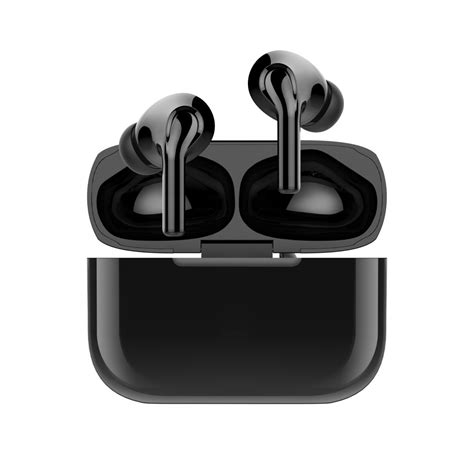
The best choice depends on priorities. For commuters and travelers who value portability and noise control, modern true wireless buds with ANC make a compelling option. For fitness users, sport-specific models with secure retention and sweat resistance are usually the right pick. For gamers and professionals who require minimal latency and dependable connections, wired in-ear monitors or wireless earbuds with dedicated low-latency modes remain preferable.
Ultimately, the buyer who begins by defining primary use cases, prioritizes fit and isolation, and balances sound preferences with practical concerns like battery life and durability will find in ear earbuds to be an excellent, flexible audio solution. With thoughtful selection and basic maintenance, in ear earbuds can deliver years of reliable, enjoyable listening.