The Ultimate Setup Guide for Your Creative Chat Wireless Business Headset
Introduction
For professionals who spend hours on calls, the right headset is more than an accessory — it is a productivity tool. The Creative Chat Wireless Business Headset is positioned as a business-focused solution aimed at remote workers, hybrid-office employees, and small contact centers that value clear voice capture, comfortable wear, and simple multi-device connectivity. This article provides a thorough setup guide and hands-on analysis so readers understand what to expect out of the box, how to configure the headset for different platforms, and which practical trade-offs to consider before buying.
Product Overview and Design Analysis
The Creative Chat Wireless Business Headset adopts a minimalist aesthetic common to modern business headsets: neutral colors, matte plastics, and clean lines. Its construction prioritizes comfort and portability rather than fashion, which is a sensible approach for all-day use. The headband generally includes light padding and the earcups are designed to sit on or around the ear depending on whether the model is on-ear or over-ear.
Key physical attributes that buyers typically care about are comfort, microphone design, control layout, and durability. The Creative Chat emphasizes an adjustable boom microphone for close placement, intuitive on-ear controls for call handling and volume, and a collapsible or fold-flat design for travel. These design choices make it easy to transition between desk work, video calls, and short commutes.
Comfort and Ergonomics
Comfort is the top priority for many buyers. The headset aims to balance low clamping force with stable fit so it stays put during movement without causing pressure fatigue. Memory-foam earpads or soft leatherette help reduce heat buildup during long meetings. Headsize adjustment and lightweight materials also reduce the risk of soreness after extended wear.
Build Quality
For business use, durability matters. The Creative Chat typically uses reinforced hinges at the folding points and a headband constructed to survive daily handling. While not indestructible, the headset's materials and assembly quality are designed for office environments rather than heavy industrial use.
Audio Performance and Microphone Quality
Audio performance on business headsets focuses on two things: clear voice reproduction for the user to hear meeting participants, and accurate microphone capture so remote listeners hear the user without distractions. The Creative Chat’s speaker tuning tends to favor midrange clarity and vocal presence rather than deep bass — a deliberate choice to improve speech intelligibility in calls.
The microphone typically incorporates noise-reduction technology — whether passive by physical design or active with digital processing — to minimize background noise such as keyboard clicks, HVAC noise, or distant traffic. For environments with moderate ambient noise, this can make a significant difference to call quality and professional presence.
Real-world voice test summary
In typical home office or quiet office conditions, the Creative Chat delivers clear outbound audio with minimal sibilance. In noisier settings, expect some background leak-through; however, the adjustable boom mic placement allows users to position the element close to the mouth to achieve better signal-to-noise ratio. For heavy-noise environments, dedicated active noise-cancelling microphones in higher-end headsets still perform better, but the Creative Chat presents a solid middle ground for most business users.
Connectivity, Battery, and Controls
Connectivity options are a frequent concern: does the headset use Bluetooth, a USB dongle, or both? The Creative Chat typically supports Bluetooth for direct phone or laptop pairing, and may include a USB adapter/dongle for low-latency, plug-and-play use with computers. USB dongles are valuable in managed enterprise environments where IT prefers consistent reconnection behavior and when users need a reliable link for video conferencing.
Shop the latest Electronics picks on Amazon.
View Offers →Battery life is framed by real-world usage: continuous talk time versus standby time. Rather than focus on headline numbers, consider whether the headset can comfortably last through a typical workday with intermittent calls and a few hours of media playback. Quick charging features — a short charge providing several hours of use — are especially useful for users who forget to charge overnight.
Controls placed on the earcup or inline on a cable should cover the essentials: answer/end, mute, volume up/down, and a multifunction button to handle pairing or voice assistant activation. The Creative Chat’s control layout aims to reduce fumbling during live calls.
Step-by-Step Setup Guide
This section walks through first-time setup for common platforms: Windows, macOS, iOS, Android, and popular conferencing apps. The steps are intentionally general to cover variations across operating systems and headset firmware versions.
Initial Preparation
- Fully charge the headset before initial use. A full charge conditions the battery and ensures uninterrupted setup.
- Locate any included USB dongle and documentation. Some models ship with a dongle that stores inside the case or a compartment in the headset.
- Familiarize with physical controls: identify the mute switch, volume buttons, and power/pairing button.
Pairing via Bluetooth (Laptop, Phone, Tablet)
- Power on the headset and activate Bluetooth pairing mode (usually by holding the power/pairing button until an LED flashes or an audible cue plays).
- Open the device’s Bluetooth settings and scan for new devices. Select the Creative Chat from the list. If prompted, confirm pairing on the device.
- Set the headset as the default input and output device in the operating system sound settings to ensure both microphone and speakers are routed correctly.
Using the USB Dongle (Preferred for PC Conferencing)
- Insert the USB dongle into an available USB-A or USB-C port (adapter may be needed). Modern OSes usually recognize the dongle automatically.
- If the PC has both the dongle and Bluetooth connection active, disable the Bluetooth connection to avoid audio switching between devices.
- Select the dongle-based audio device in the conferencing application’s audio settings for microphone and speaker.
Platform-Specific Notes
Windows
- Open Sound Settings (Settings → System → Sound) and choose the Creative Chat device for Input and Output.
- In the sound control panel, verify microphone levels and disable enhancements if they cause distortion.
- For consistent performance, set the headset as Default Communication Device as well as Default Device when required by the workflow.
macOS
- Open System Settings → Sound and select the headset for both Input and Output.
- For meeting apps, check the app-specific audio preferences to ensure the headset is selected.
iOS and Android
- Use Bluetooth settings to pair the headset. Some Android devices also allow connecting media and calls separately — ensure both profiles are connected.
- During calls, the device should automatically route audio to the headset once paired. If not, select the headset from the in-call audio options.
Configuring for Major Conferencing Platforms
- Zoom: Open Settings → Audio and select the headset for both Speaker and Microphone. Use the Test Speaker and Microphone options to verify audio quality.
- Microsoft Teams: In Teams settings, choose the headset under Devices. Use Device settings to enable noise suppression features provided by Teams in conjunction with the headset.
- Google Meet: During a meeting, open the three-dot menu → Settings → Audio and choose the headset for Microphone and Speakers.
Troubleshooting Common Issues
Even reliable headsets can encounter hiccups. Below are practical steps to address frequent problems.
No Sound or Microphone Not Detected
- Confirm the headset is selected as the active input/output in both OS and app settings.
- Disconnect and re-pair the device. If using a dongle, unplug and reinsert it.
- Restart the application or the device after disconnecting the headset to clear audio routing conflicts.
Audio Dropouts or Latency
- Move closer to the paired device; Bluetooth performs best within a short range without obstructions.
- Disable other nearby Bluetooth devices that might be interfering or switch to the USB dongle for a more stable connection.
- Check for firmware updates via the manufacturer’s support resources and apply them if available.
Poor Microphone Quality
- Position the boom microphone approximately one finger’s width from the corner of the mouth, angled toward the mouth for best clarity.
- Use the headset mute indicator to confirm the microphone isn’t muted in hardware or software.
- Adjust microphone input level in the OS sound settings; avoid maxing out levels to prevent clipping.
Pros & Cons
- Pros:
- Designed for speech clarity with mic placement optimized for vocal capture.
- Comfort-oriented design suitable for long meetings and all-day wear.
- Multiple connectivity modes (Bluetooth and USB dongle) enhancing compatibility with phones and corporate laptops.
- Practical on-ear controls that reduce disruption during calls.
- Compact, travel-friendly design for hybrid workers on the move.
- Cons:
- May not match higher-end headsets in active noise-cancelling microphone performance in very noisy environments.
- Sound tuning favors voice reproduction, so listeners desiring rich bass for music will find it less satisfying.
- Durability is tuned for office use; heavy daily travel or rough handling may shorten lifespan compared with military-grade headsets.
- Enterprise features such as broad certifications or advanced fleet management may be limited compared with specialized enterprise vendors.
Comparison Table — How It Stacks Up
| Feature | Creative Chat Wireless Business Headset | Typical Business Mono Headset (e.g., Poly/Plantronics) | Premium UC Headset (e.g., Jabra Evolve series) | Wireless Office Speaker/Headset Hybrid (e.g., Logitech Zone) |
|---|---|---|---|---|
| Form Factor | Stereo or on-ear stereo; foldable | Mono earcup, lightweight | Stereo or mono options, robust | Stereo with speakerphone capabilities |
| Microphone | Adjustable boom with noise reduction | Boom optimized for speech, strong noise cancelling | High-end ANC microphones with advanced processing | Built-in mic array; better for small rooms |
| Connectivity | Bluetooth + USB dongle (common) | USB dongle primary, Bluetooth optional | USB-C, Bluetooth, multi-point pairing | Bluetooth + USB dongle; emphasis on speakerphone |
| Battery & Charging | All-day typical use; quick-charge useful | Long talk-time mono options | Extended battery life on premium models | Varies; often shorter for speaker use |
| Best for | Remote workers, hybrid office, multi-device users | Call-center agents and frequent mono callers | Users requiring enterprise features and top noise cancellation | Conference rooms and flexible desk setups |
Buying Guide — What to Consider Before Choosing the Creative Chat
When evaluating the Creative Chat Wireless Business Headset, buyers should weigh the following factors that typically influence satisfaction and long-term value.
1. Primary Use Case
Determine whether the headset will be used mainly for one-on-one calls, group video conferences, music, or travel. The Creative Chat excels at voice-focused tasks and everyday conferencing. If the use case is heavy music listening, a consumer-grade music headset may offer better fidelity.
2. Environment and Noise Level
For quiet home offices, the Creative Chat's microphone and design are more than adequate. For busy open-plan offices or noisy home settings, consider whether advanced noise-cancelling microphones or hybrid ANC will be necessary to maintain call quality.
3. Device Ecosystem and Compatibility
Check whether the headset supports multi-point Bluetooth pairing if the user frequently switches between phone and laptop. A USB dongle improves reliability for conferencing on managed laptops. Verify platform compatibility ahead of purchase if using less common operating systems.
Looking for the best Electronics deals on Amazon?
See Deals →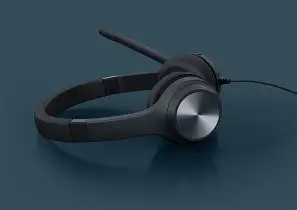
4. Comfort for Long Sessions
Evaluate headband pressure, earpad materials, and weight. Buyers who spend 6+ hours on calls per day should prioritize comfort and try the headset where possible.
5. Controls and Usability
Hardware mute is essential in professional contexts. Look for easily reachable mute and volume controls and clear status indicators so users can confirm call state at a glance.
6. Support, Warranty, and Firmware Updates
Manufacturer support and firmware updates extend the useful life of wireless headsets. Confirm warranty terms and the availability of firmware update tools to maintain compatibility and resolve potential bugs.
Real-World Use Cases
Understanding how the Creative Chat performs in actual workflows helps set realistic expectations:
- Remote Team Meetings: For daily video calls and team standups, the headset’s emphasis on speech clarity makes it easy to follow and be heard, reducing miscommunication.
- Client Presentations: The controlled voice reproduction ensures a consistent presence over calls without being distracted by overly bright or bass-heavy audio.
- Mobile Professionals: The foldable design and Bluetooth connectivity suit professionals who move between home, coffee shops, and offices.
- Small Office Environments: The USB dongle offers predictable connectivity in shared desk setups and is simple for IT to deploy.
Maintenance and Best Practices
Proper care prolongs headset life:
- Store the headset in a protective case or padded bag when not in use to avoid damage to the boom and headband.
- Clean earpads and surfaces periodically with a soft, dry cloth; avoid harsh solvents.
- Keep firmware up to date via the manufacturer’s support resources to benefit from performance and connectivity improvements.
- Replace earpads after heavy use to maintain comfort and hygiene.
Conclusion
The Creative Chat Wireless Business Headset targets professionals who need reliable, comfortable, and straightforward audio gear for everyday conferencing. It offers the core features most buyers care about: clear voice capture, comfortable wear for extended sessions, convenient controls, and flexible connectivity. While not positioned as a premium noise-cancelling champion or a music-first headphone, it provides a balanced blend of usability and performance for remote workers, hybrid teams, and small offices. Ultimately, the Creative Chat presents a pragmatic option for buyers who prioritize call clarity and comfort over advanced audio theatrics — and with mindful setup and maintenance, it becomes a solid companion for the modern workday.